
EvidenceB was born from the observation that recent discoveries in these three areas of research would support teachers’ pedagogical choices , facilitating the implementation of a differentiation strategy .
Thanks to a strong investment in R&D and fundamental research that is now very advanced, Edtech has developed a disruptive and unprecedented educational technology . The main advantage of this technology is that it is based on Evidence-based Education , education based on evidence and scientific proof from measurable, verifiable and reproducible results.
The adaptive modules are based on an unprecedented alliance of research in cognitive sciences, artificial intelligence and UX learning interfaces to facilitate the learning of fundamental structuring notions from kindergarten to high school. Above all, it is about feeding the curiosity of each student with personalized digital paths in an attractive environment, optimized for learning.
In total, more than 50,000 educational activities have been designed by researchers and teachers specializing in many disciplines (languages, maths, sciences) for students from primary school to high school, including preparatory classes for grandes écoles and BTS.
In a co-creative approach, EvidenceB regularly partners with the teaching community who wish to experiment and test new resources in France and internationally.

Teams, studies and source publications
Here we share with you both the research teams, but also the preliminary studies and publications, before integration into EvidenceB products, which are the preliminary proofs of the impacts of the different components of EvidenceB products. See studies →
Mathematics
Languages
Artificial intelligence
Metacognitive functions
The mathematics modules are developed by the following researchers and laboratories:

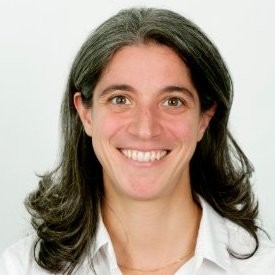
Dr Laurianne Vagharchakian
Max Planck Institute, Berlin
o Understanding the concepts of proportion and fractions
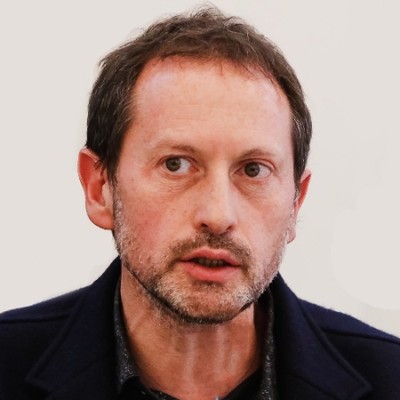
Pr Emmanuel Sander
Geneva Université
o Numbers and Calculations
o Literal calculation
o Quantities and measurements
o Solving arithmetic problems
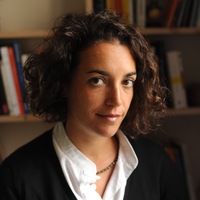
Dr Valeria Giardino
ENS Jean Nicod Institute
o Data organization and management, functions
o Space and Geometry

The French language modules are developed by the following researchers and laboratories:
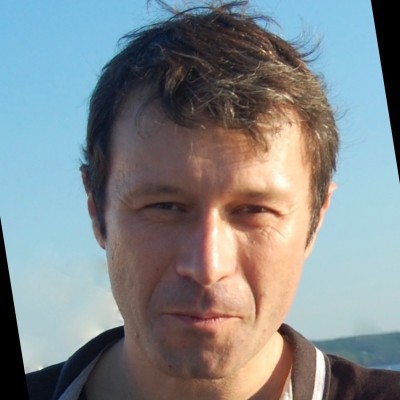
Dr Denis Alamargot
Professor, University of Poitiers
o From spoken to written
o Improvement of written production and redactional activity : argumentative, descriptive, narrative, and explanatory texts

Dr Alda Mari
Research Director, ENS Jean Nicod Institute, and Marie Boscaro, Ph.D. candidate, Jean Nicod Institute
o Improving text comprehension
o Glossary
o Verb
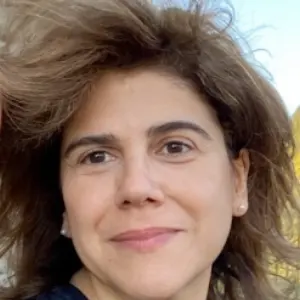
Dr Carla Soarès
Lecturer, Laboratoire de Linguistique Formelle, Paris Cité University
o Syntax
o Spelling
o Logic
ResearchGate - Website
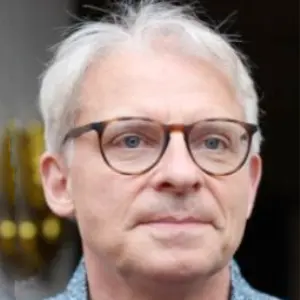
Pr. Pascal Amsili
Professor at Sorbonne Nouvelle University & Lattice (CNRS/PSL)
o Spelling
o Syntax
o Logic
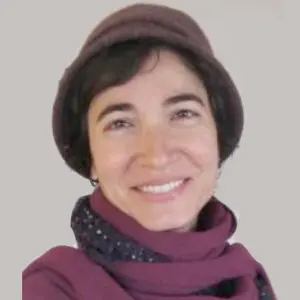
Lisa Brunetti
Lecturer, Laboratoire de Linguistique Formelle, Paris Cité University
o Logic
o Syntax
o Spelling
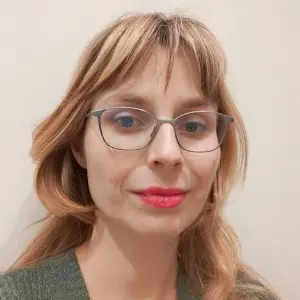
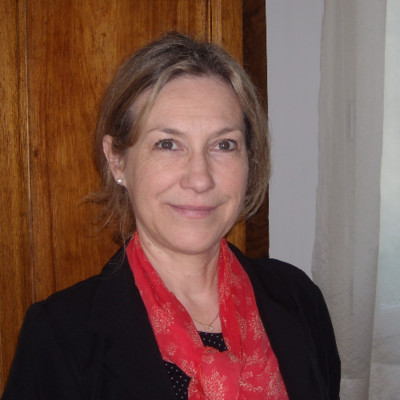
Pr. Pascale Colé
Professor at Aix-Marseille University
o Improving reading comprehension

Gerda Ana Melnik-Leroy
Institute of Data Science and Digital Technologies, Vilnius University
o Learning French (Vocabulary and Grammar)
o Learning Latin

Our news
They trust us











Discover our solutions
Want to know more about the resources developed by EvidenceB?
Contact us to test a demo. We will answer all your questions.